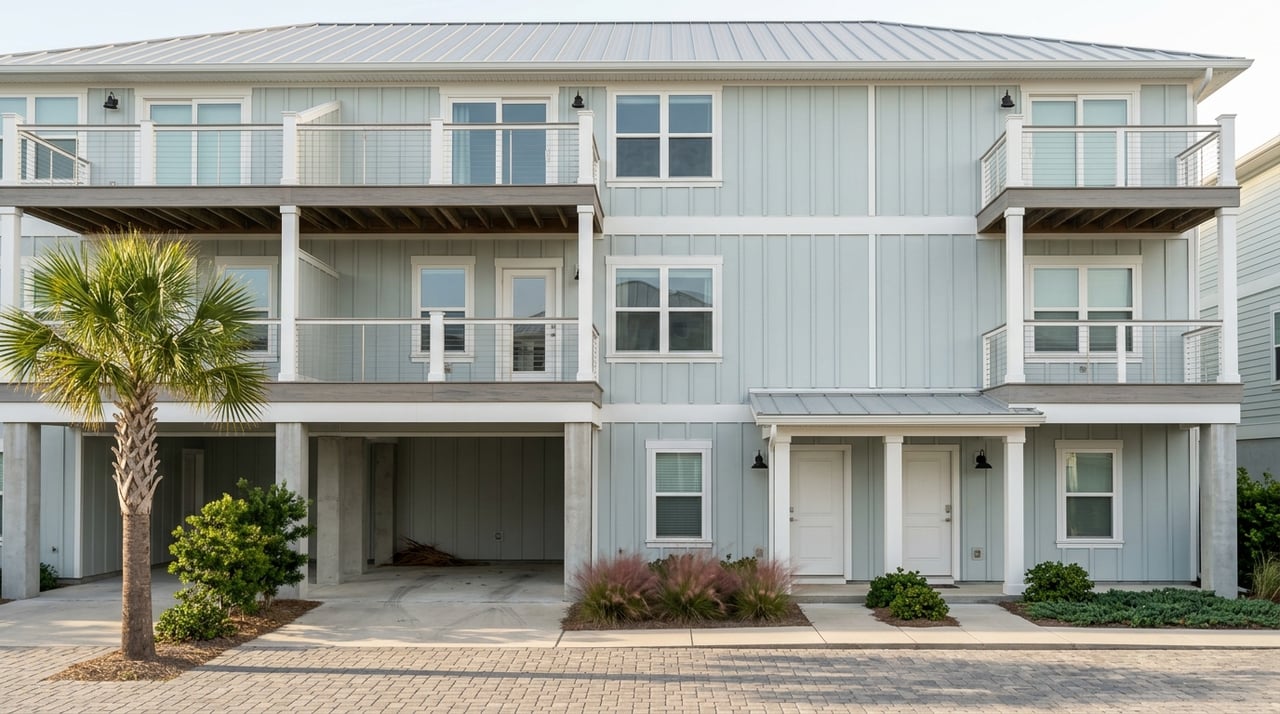
If you are thinking about buying an investment property in Emerald Isle, you are probably asking two big questions right away: Will the numbers work, and do I understand the local rules? That is the right place to start in a coastal market where purchase prices are high, rental demand is seasonal, and ownership comes with town-specific requirements. With the right property and a clear plan, Emerald Isle can offer a strong mix of lifestyle appeal and income potential. Let’s dive in.
Why Emerald Isle draws investors
Emerald Isle sits on North Carolina’s Crystal Coast, with the Atlantic Ocean on one side and Bogue Sound on the other. It is a tourism-focused beach community with public beach and sound access, picnic areas, kayak launches, playgrounds, and other amenities that support steady visitor interest.
For investors, that matters because guest demand is closely tied to location, access, and ease of use. A market that is built around beach visits and coastal recreation tends to attract vacation renters who want convenience as much as views.
Seasonality is a major part of the investment picture here. The town’s paid beach parking runs from April 1 through September 30, and lifeguards at the Eastern Ocean Regional Access are on duty from April through September, which points to spring through early fall as the core vacation-rental window.
This is also a high-entry market. Current market snapshots show a June 2026 median listing price of $878,000, a May 2026 median sale price of $816,511, and rental figures around $2,550 to $2,650 per month depending on the source and timing.
Start with the right investment strategy
Before you fall in love with a property, decide how you want it to perform. In Emerald Isle, most buyers are weighing short-term vacation rental income, personal-use flexibility, and the option for off-season leasing.
That choice will shape almost everything else, including property type, location, carrying costs, furnishing plans, and management needs. A house that works well for summer vacation stays may not be the same property that works best for steady longer-term occupancy.
Short-term rental potential
Emerald Isle allows tourist or temporary residences, which the town defines as residential property rented for vacation, leisure, or recreation purposes for fewer than 30 days. The town’s ordinance states that these uses are permitted in residential property in all districts, subject to the town’s rules.
That makes short-term rental a real option here, but not a casual one. You need to understand occupancy, parking, trash, noise, and inspection requirements before you buy, not after.
Hybrid owner-use model
Many coastal buyers want a property they can enjoy personally while also renting it part of the year. That can make sense in Emerald Isle, especially if your main goal is to offset ownership costs while keeping time open for your own trips.
This approach usually works best when you are realistic about blocked dates and peak-season demand. Every week you keep for personal use is a week that may not produce income, especially during the prime spring and summer stretch.
Off-season or longer-stay leasing
Some owners also look at longer off-season stays to smooth cash flow. Carteret County states that stays of 90 or more continuous days by the same tenant are not subject to occupancy tax, which can be relevant if you want a more flexible annual plan.
That does not mean every property is equally suited for this strategy. Layout, parking, maintenance needs, and guest appeal all still matter, so the property should match the type of renter you expect to attract.
Compare Emerald Isle property types
The town defines residential property broadly, including apartments, studios, condominiums, single-family homes, townhouses, cottages, and other residential property. In practical terms, most buyers start by comparing detached homes, condos, and townhomes.
Each option can work, but each tends to come with a different ownership experience. Your budget, expected rental use, maintenance tolerance, and guest expectations should drive the decision.
Beach homes and cottages
Detached homes often offer more space, more privacy, and stronger appeal for larger vacation groups. They may also provide more parking and outdoor living space, which can be valuable in a market where guest convenience matters.
The tradeoff is usually a higher purchase price and potentially higher maintenance. In a coastal setting, exterior wear, storm exposure, and ongoing upkeep should always be part of your underwriting.
Condos and villas
Condos can be an attractive entry point for buyers who want a coastal property without taking on all the exterior maintenance of a standalone home. Current market pages also show condo-style communities such as Sound of the Sea, Queens Court, and Point Emerald Villas as part of the local inventory.
For some investors, that makes condos worth a close look. You may gain easier ownership logistics, but you still need to review the full cost picture carefully, including any recurring fees and property-specific rules.
Townhomes and attached units
Townhomes can offer a middle ground between a condo and a detached house. You may get more living space than a condo with a lower maintenance burden than a single-family beach house, depending on the property.
For investors, this can be appealing when you want flexibility and a price point below larger oceanfront homes. As always, the details matter more than the category alone.
Know the local rental rules before you buy
One of the biggest mistakes investors make is assuming that if short-term rental is allowed, the analysis stops there. In Emerald Isle, the better question is whether a specific property fits the town’s operating rules and your rental plan.
The town places several limits on tourist or temporary residences, and those rules should absolutely shape your numbers.
Occupancy limits affect booking potential
Emerald Isle caps overnight occupancy at two occupants per bedroom plus two additional occupants. The number of bedrooms is based on county tax records.
That means you should verify official bedroom count early. If your income projections depend on sleeping more guests than the rule allows, the property may not perform the way you expect.
Parking rules matter more than you think
The town limits parking to garages, driveways, or designated spaces, and on-street parking is not allowed. For a vacation rental, that can directly affect guest convenience and the kind of groups the home can realistically host.
A property with tight parking may be less competitive than one with a simpler setup. This is especially important if you are comparing homes that look similar on paper.
Other operating requirements to factor in
The town also requires screened trash storage and at least weekly trash pickup. It asks for septic adequacy documentation where applicable, calls for efforts to minimize outside noise after 10 p.m., prohibits commercial events such as wedding receptions and large parties, and requires annual deck inspections by a licensed engineer or general contractor.
These are not small details. They affect maintenance planning, vendor coordination, guest communication, and your recurring annual costs.
Owners remain responsible
Even if you hire a property manager or authorized agent, the town ordinance says the owner remains responsible for compliance. That is an important point for out-of-area buyers who assume management fully transfers local operating risk.
A good local manager can help, but owner oversight still matters. In a coastal market, that local support can be especially valuable when storm season, maintenance, and guest turnover all intersect.
Underwrite taxes and recurring costs carefully
In Emerald Isle, gross revenue can look attractive at first glance, but the net picture is what matters. Coastal investing works best when you account for taxes, fees, and property-specific operating costs from the beginning.
Occupancy tax and lodging taxes
Carteret County levies a 6% occupancy tax on gross receipts from lodging, in addition to North Carolina state and local sales tax. The county says the property owner is responsible for collection and remittance even when a booking platform is involved, and monthly returns are due by the 20th of the following month.
That means you need a clear system for tracking who collects what and when. If you are using a platform, a manager, or both, confirm responsibilities in writing so your underwriting reflects reality.
Property taxes and town fees
For fiscal year 2026-27, Carteret County lists a countywide tax rate of $0.225 per $100 of valuation, and Emerald Isle lists a municipal rate of $0.110 per $100. The town’s FY 2025-26 budget also includes a 2.20-cent Primary Benefit District rate for oceanfront and inlet-front properties and a $335 annual solid-waste fee per developed residential property.
These numbers may seem straightforward, but they can add up quickly on a higher-value coastal property. Oceanfront and inlet-front buyers should be especially careful to model the full annual holding cost.
Plan for coastal due diligence
Buying near the water is different from buying on the mainland. In Emerald Isle, flood exposure, storm risk, and site-specific development rules deserve close attention before you commit.
Flood insurance and elevation
The town identifies flood information as an important local issue and notes that detailed flood insurance maps are available through Planning and Inspections. Its permit checklist also includes a National Flood Insurance Program elevation certificate and a V-zone certification.
If a property is in a Special Flood Hazard Area and you are using a federally backed mortgage, flood insurance is generally required. For investors, flood zone, elevation, and insurance cost should all be part of the deal review.
Hurricane season and vacancy risk
NOAA states that the Atlantic hurricane season runs from June 1 through November 30. In Emerald Isle, that overlaps with a meaningful part of the rental calendar.
You should think through storm prep, possible booking disruptions, and how insurance and reserve planning fit into your budget. A property can still be a good investment, but it needs a coastal ownership plan, not just a rental estimate.
Renovation and expansion limits
The town’s development standards emphasize dune protection, vegetation protection, stormwater management, and preservation of natural coastal features. If you are buying a property because you expect to expand, rework parking, or make major exterior changes, permitting may be more involved than you expect.
That is one reason due diligence matters so much here. A value-add idea only works if the site and local standards actually support it.
What smart buyers review before making an offer
When you are narrowing down options, focus on the numbers and the local fit at the same time. A pretty property is not always a strong investment property.
Use a practical checklist like this:
- Purchase price versus your total cash requirement
- Expected rental strategy: short-term, hybrid, or longer off-season leasing
- Official bedroom count for occupancy compliance
- Parking capacity and ease of guest use
- Flood zone, elevation details, and likely insurance needs
- Property tax rates, solid-waste fee, and any applicable district rate
- Deck condition and annual inspection requirements
- Septic considerations where applicable
- Storm exposure and reserve needs
- Whether a local property manager can support the plan you have in mind
Why local guidance matters in Emerald Isle
In a market like Emerald Isle, the biggest risk is often not the obvious one. It is overestimating rent, underestimating carrying costs, or missing a local rule that changes how the property can operate.
That is where experienced local guidance helps. When you work with a team that understands Crystal Coast pricing, coastal ownership issues, and the practical differences between one property and the next, you can make decisions with more clarity and less guesswork.
If you want help evaluating Emerald Isle investment property opportunities with a practical, local perspective, reach out to Linda Rike Real Estate. Their team brings decades of Crystal Coast experience and hands-on guidance to help you buy with confidence.
FAQs
Is short-term rental allowed for investment property in Emerald Isle?
- Yes. Emerald Isle allows tourist or temporary residences in residential property in all districts, subject to the town’s local operating rules and permit conditions.
How many guests can an Emerald Isle rental property hold?
- The town rule is two occupants per bedroom plus two additional occupants, with bedroom count based on county tax records.
What taxes apply to Emerald Isle rental income?
- Carteret County levies a 6% occupancy tax on gross lodging receipts, and North Carolina state and local sales tax also applies to lodging.
Can an off-season lease work for an Emerald Isle investment property?
- It can. Carteret County states that stays of 90 or more continuous days by the same tenant are not subject to occupancy tax, which may make longer off-season leasing part of some owners’ strategy.
What should you review before buying an Emerald Isle beach investment property?
- Focus on rental strategy, local occupancy and parking rules, taxes, flood exposure, insurance needs, storm risk, inspection and maintenance costs, and any site-specific limits that could affect future use or improvements.