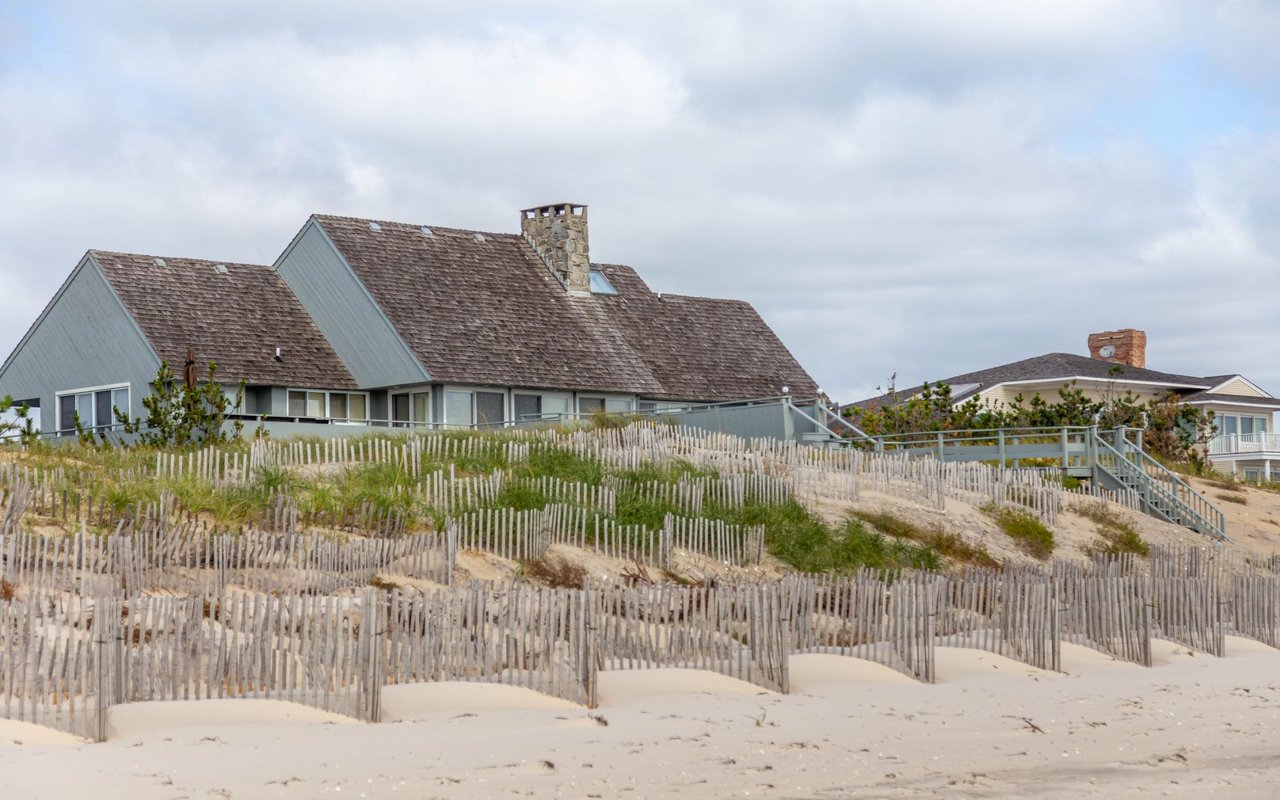
Buying beachfront property is a dream for many—imagine waking up to the sound of the waves, panoramic ocean views, and direct access to the shore. Whether it’s a primary residence, vacation retreat, or investment asset, purchasing coastal real estate comes with unique considerations. For those considering a slice of paradise in a beautiful area like Morehead City, North Carolina, understanding the nuances of buying beachfront property is crucial to making a smart, long-term decision.
From zoning laws and environmental regulations to insurance needs and maintenance realities, this guide walks prospective buyers through the key steps to securing their ideal coastal property.
Understanding the True Cost of Beachfront Living
While the allure of a home by the sea is undeniable, the price tag goes beyond the listing number. Buyers should budget for higher insurance premiums—especially wind and flood insurance—as well as elevated maintenance costs due to the salt air and coastal conditions. Coastal properties may require more frequent upkeep, including painting, roof inspections, and the replacement of outdoor fixtures prone to corrosion.
Additionally, prospective owners should be aware of HOA fees if the property is part of a private beachfront community, as these fees can vary depending on amenities and services provided.
Location and Orientation Matter
When choosing a beachfront property, not all locations offer the same experience—or the same return on investment. Some properties have direct access to the beach, while others may offer ocean views but are located across public roads or dunes. Buyers should also consider whether the beach is private or public, how busy the area becomes in peak season, and what restrictions or protections are in place for dunes and shorelines.
Orientation plays a major role in how much natural light and wind a property receives. For example, south-facing homes tend to get more sunlight throughout the day, which can enhance your enjoyment of the space—and possibly its resale value.
Zoning, Permitting, and Coastal Regulations
Coastal regions often have stricter zoning and environmental laws to protect natural resources and manage erosion. Before buying, it's essential to check local zoning regulations to understand what’s permitted on the property. This includes whether you can build additional structures like decks or docks, how close you can build to the water, or whether there are restrictions due to the Coastal Area Management Act (CAMA) in North Carolina.
Buyers should also review the property’s erosion rates, which can affect the long-term stability of both the land and home. Involving a knowledgeable local real estate agent can help navigate these regulations efficiently and avoid surprises later in the process.
Conducting a Thorough Inspection
While all real estate purchases should include a professional home inspection, it's even more critical for beachfront properties. The coastal environment can lead to specific issues such as rusting metal, saltwater intrusion, weakened foundations, or mold and mildew problems from high humidity.
Hire an inspector familiar with coastal homes to evaluate the structure, roof, HVAC systems, and outdoor areas. A thorough inspection will give buyers peace of mind and highlight any potential maintenance issues before closing.
Financing and Insurance Considerations
Financing a beachfront home can be different from financing a standard home, especially if the property is considered a second home or investment. Lenders may have stricter requirements, including higher down payments and credit standards.
In addition, buyers will need to factor in homeowners insurance, flood insurance, and possibly hurricane insurance, depending on the location. Lenders often require these policies before approving a mortgage on coastal properties. Insurance costs can be substantial, so getting quotes early in the process is advised to understand the full financial picture.
Seasonal Accessibility and Rental Potential
For buyers considering a beachfront property as a second home or vacation rental, it’s important to assess seasonal accessibility and rental regulations. Some coastal areas may have limited access during certain months, while others thrive year-round.
Check local short-term rental laws to ensure you can legally rent out the property if desired. Also, research demand and rates in the area to understand potential rental income. Morehead City, for example, is a popular vacation destination, which could offer strong rental opportunities when managed correctly.
Work with a Local Real Estate Expert
A knowledgeable, local real estate agent with experience in coastal transactions is one of your most valuable resources. They will understand local market trends, zoning regulations, community amenities, and potential red flags specific to beachfront properties.
Agents can also guide buyers through negotiations, inspections, and closing, ensuring every detail is addressed. In a competitive coastal market, this kind of expertise is often what separates successful buyers from frustrated ones.
Lifestyle and Long-Term Enjoyment
Lastly, purchasing a beachfront home is also about lifestyle. Think about how you plan to use the property and what features will enhance your enjoyment—whether it’s walkability to local shops and restaurants, private beach access, or enough space for family gatherings.
Living by the beach can offer incredible peace, outdoor activity, and a sense of escape—but it also requires a commitment to maintenance and an understanding of environmental factors. With proper planning, the rewards can be tremendous.
Ready to Make the Move?
Buying a beachfront property can be one of the most rewarding real estate decisions you make—both emotionally and financially—if you take the time to research, plan, and work with an experienced professional. For personalized guidance, market insights, and trusted expertise in the Morehead City area, reach out to Linda Rike. Her local knowledge and commitment to client success make her the ideal partner for anyone ready to take the next step toward owning a piece of the coast.