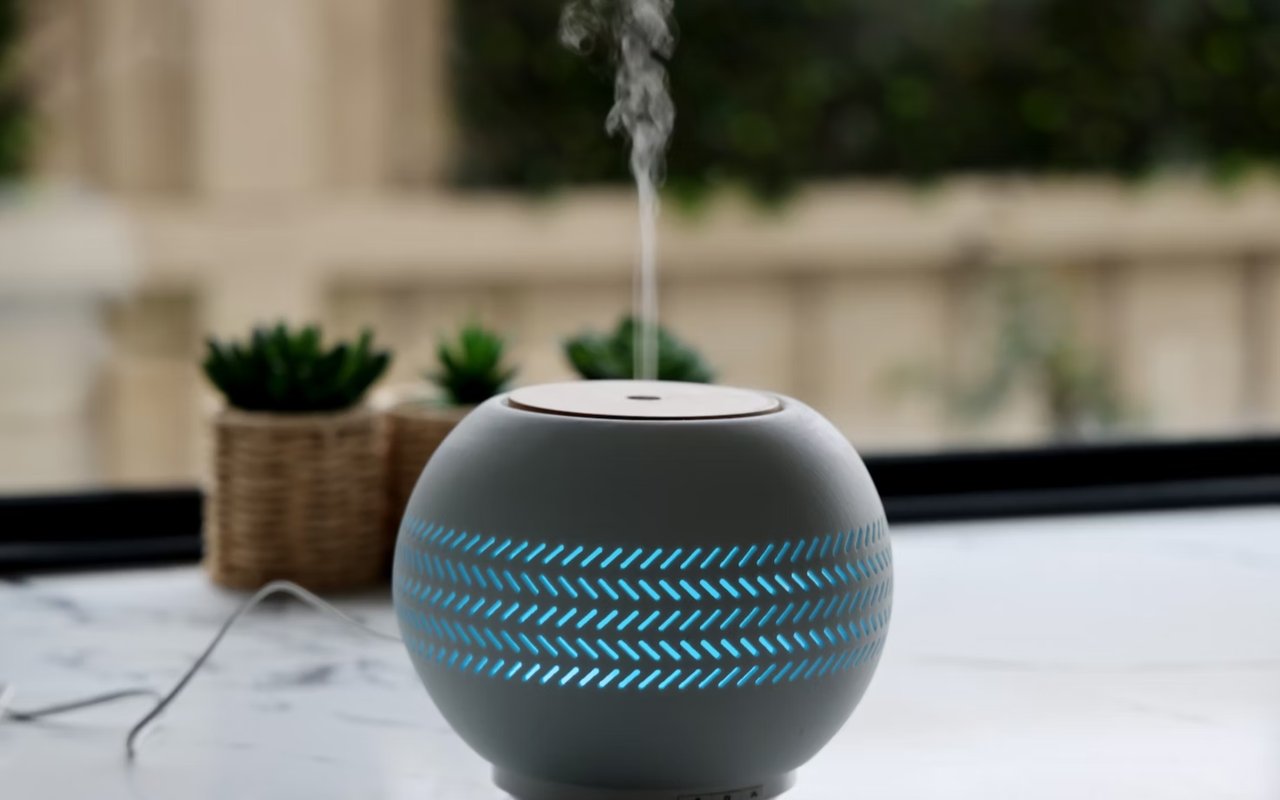
Your home should be a place where you can breathe easy—literally. Yet, many homeowners are unaware that indoor air can be two to five times more polluted than the air outside. Maintaining clean indoor air takes a little extra attention in a coastal town like Morehead City, NC, where salty air mixes with humidity, pollen, and seasonal allergens.
Whether you’re a lifelong resident or have recently moved to this beautiful waterfront community, understanding how to improve your home’s air quality can make a big difference for your comfort, health, and even your property’s longevity.
Here’s a detailed guide to keeping the air in your Morehead City home fresh, healthy, and inviting all year round.
Understand What Affects Indoor Air Quality
Before tackling the problem, it’s important to understand what contributes to poor air quality inside a home. Common indoor pollutants include:
- Dust and pet dander: Tiny particles that accumulate on furniture, floors, and fabrics.
- Pollen and outdoor pollutants: These can drift inside through open doors, windows, or on clothing.
- Mold and mildew: Especially common in coastal areas where humidity levels are high.
- Volatile Organic Compounds (VOCs): Gases emitted by household cleaners, paints, new furniture, and flooring.
- Cooking fumes and smoke: From gas stoves, candles, and fireplaces.
By recognizing these sources, you can take targeted steps to improve the air you and your family breathe every day.
Control Humidity Levels
Humidity plays a major role in indoor air quality—especially in Morehead City, where the ocean breeze brings moisture inland. High humidity encourages mold growth, dust mites, and other allergens, while low humidity can cause dry skin and respiratory irritation.
Keep indoor humidity between 30% and 50% for optimal comfort and health. You can achieve this balance by:
Keep indoor humidity between 30% and 50% for optimal comfort and health. You can achieve this balance by:
- Using a dehumidifier during humid months.
- Running exhaust fans in bathrooms and kitchens while cooking or showering.
- Ensuring your air conditioning system is properly sized and serviced regularly.
- Opening windows briefly on dry, breezy days to allow fresh air to circulate.
If you live in a waterfront property or a home with limited airflow, consider installing a whole-house dehumidifier to manage moisture year-round.
Change HVAC Filters Regularly
Your heating, ventilation, and air conditioning (HVAC) system is your home’s first line of defense against indoor pollutants. A clean air filter traps dust, pollen, pet hair, and even mold spores before they circulate throughout your home.
Replace or clean your HVAC filters every 30 to 90 days, depending on usage and whether you have pets or allergies. In Morehead City’s coastal climate, salt and humidity can cause filters to clog faster, so checking them monthly is a smart habit.
For even better air quality, consider upgrading to HEPA (High-Efficiency Particulate Air) filters, which capture particles as small as 0.3 microns—ideal for removing allergens and fine dust.
Replace or clean your HVAC filters every 30 to 90 days, depending on usage and whether you have pets or allergies. In Morehead City’s coastal climate, salt and humidity can cause filters to clog faster, so checking them monthly is a smart habit.
For even better air quality, consider upgrading to HEPA (High-Efficiency Particulate Air) filters, which capture particles as small as 0.3 microns—ideal for removing allergens and fine dust.
Use Air Purifiers Strategically
Air purifiers can make a noticeable difference, especially in high-traffic areas or rooms with limited ventilation. Modern purifiers use HEPA filters, activated carbon, or UV light to eliminate contaminants.
Place purifiers in:
Place purifiers in:
- Bedrooms – for cleaner air during sleep.
- Living areas – where families spend most of their time.
- Home offices – to reduce dust and allergens during the workday.
If you or someone in your home suffers from allergies or asthma, air purifiers can help reduce symptoms and improve overall respiratory health.
Improve Natural Ventilation
Even though Morehead City’s mild coastal climate makes it tempting to keep windows open, it’s best to be strategic. Opening windows during early mornings or evenings when pollen counts are lower can bring in fresh air without introducing excess allergens.
Cross-ventilation—opening windows on opposite sides of the house—encourages air to flow naturally, flushing out stale air and replacing it with fresh outdoor air.
If outdoor air quality is poor due to high pollen, humidity, or nearby construction, consider mechanical ventilation systems like energy recovery ventilators (ERVs). These systems bring in filtered fresh air while expelling stale indoor air without wasting energy.
Cross-ventilation—opening windows on opposite sides of the house—encourages air to flow naturally, flushing out stale air and replacing it with fresh outdoor air.
If outdoor air quality is poor due to high pollen, humidity, or nearby construction, consider mechanical ventilation systems like energy recovery ventilators (ERVs). These systems bring in filtered fresh air while expelling stale indoor air without wasting energy.
Keep Your Home Clean and Dust-Free
Regular cleaning is one of the simplest yet most effective ways to maintain clean indoor air. Dust and allergens settle on surfaces, carpets, and upholstery, where they can easily become airborne again.
Here are some cleaning habits that help:
Here are some cleaning habits that help:
- Vacuum weekly using a vacuum with a HEPA filter.
- Mop hard floors after vacuuming to pick up any remaining particles.
- Wash bedding in hot water weekly to eliminate dust mites.
- Wipe surfaces with damp microfiber cloths instead of dry dusters, which can stir up dust.
If you live near the coast, you may also notice a thin layer of salt residue collecting on windows and furniture. Regular cleaning helps prevent this from building up and affecting your indoor air.
Choose Low-VOC Materials and Products
Many homeowners are surprised to learn that indoor air pollution can come from brand-new materials and household products. Paints, varnishes, carpets, and even furniture can emit volatile organic compounds (VOCs), which release harmful gases over time.
To minimize exposure:
To minimize exposure:
- Choose low-VOC or zero-VOC paints, finishes, and adhesives.
- Let new furniture or rugs “off-gas” outdoors or in a well-ventilated area before bringing them inside.
- Use natural cleaning products made with vinegar, baking soda, and essential oils instead of harsh chemicals.
This is especially important in Morehead City’s humid environment, where chemical odors can linger longer in still air.
Add Houseplants That Purify the Air
Nature provides its own air-cleaning system in the form of houseplants. Certain indoor plants absorb toxins and release fresh oxygen, helping to improve air quality naturally.
Some excellent air-purifying plants include:
Some excellent air-purifying plants include:
- Spider Plant – effective against carbon monoxide and xylene.
- Peace Lily – reduces mold spores and VOCs.
- Snake Plant – filters formaldehyde and benzene, perfect for bedrooms.
- Boston Fern – loves humidity and helps balance moisture in coastal homes.
Just remember that overwatering plants can contribute to mold growth, so keep soil moist but not soggy.
Maintain and Clean Ductwork
If your home’s ductwork hasn’t been cleaned in years, it may be harboring dust, pet hair, and other allergens. Professional duct cleaning every few years can help improve air circulation and reduce pollutants being recirculated through your HVAC system.
Additionally, sealing leaks in ducts ensures that air moves efficiently throughout your home without drawing in contaminants from attics or crawl spaces.
Additionally, sealing leaks in ducts ensures that air moves efficiently throughout your home without drawing in contaminants from attics or crawl spaces.
Avoid Indoor Smoking and Limit Candles
Cigarette smoke and even certain types of candles can release harmful particles into your indoor air. If you or a guest smokes, it’s best to do so outside to prevent residue from lingering on walls, fabrics, and HVAC filters.
For candles, choose beeswax or soy-based options with cotton wicks instead of paraffin candles, which can emit soot and VOCs.
For candles, choose beeswax or soy-based options with cotton wicks instead of paraffin candles, which can emit soot and VOCs.
Don’t Forget About the Attic and Crawl Space
In Morehead City homes, where crawl spaces are common, moisture control beneath the house is crucial. A damp crawl space can introduce mold spores into the living space through vents or cracks in the flooring. Installing a vapor barrier and using a dehumidifier can prevent this issue. Similarly, ensure that attic vents are unobstructed to promote airflow and prevent moisture buildup that could affect indoor air quality below.
Schedule Routine HVAC Maintenance
Your HVAC system is the heart of your home’s air circulation, and regular maintenance keeps it functioning efficiently. Schedule professional inspections twice a year—once in spring and once in fall—to clean coils, check refrigerant levels, and ensure filters are working properly. Technicians can also identify signs of mold or bacterial growth in ducts and condensation pans, allowing you to address them early.
Breathe Easy in Your Morehead City Home
Improving your indoor air quality isn’t just about comfort—it’s about health, longevity, and peace of mind. By controlling humidity, maintaining your HVAC system, using purifiers, and keeping your home clean, you can create a space that supports well-being and fresh coastal living.
Whether you’re moving into a new home or upgrading your current one, making air quality a priority is a smart investment in your health and your property’s value.
If you’re ready to find a beautiful, healthy home in Morehead City, work with Linda Rike, one of North Carolina’s top real estate agents. Linda’s deep understanding of the local market—and of what makes coastal homes unique—ensures you’ll find a property that fits your lifestyle, comfort, and wellness goals perfectly.
Whether you’re moving into a new home or upgrading your current one, making air quality a priority is a smart investment in your health and your property’s value.
If you’re ready to find a beautiful, healthy home in Morehead City, work with Linda Rike, one of North Carolina’s top real estate agents. Linda’s deep understanding of the local market—and of what makes coastal homes unique—ensures you’ll find a property that fits your lifestyle, comfort, and wellness goals perfectly.