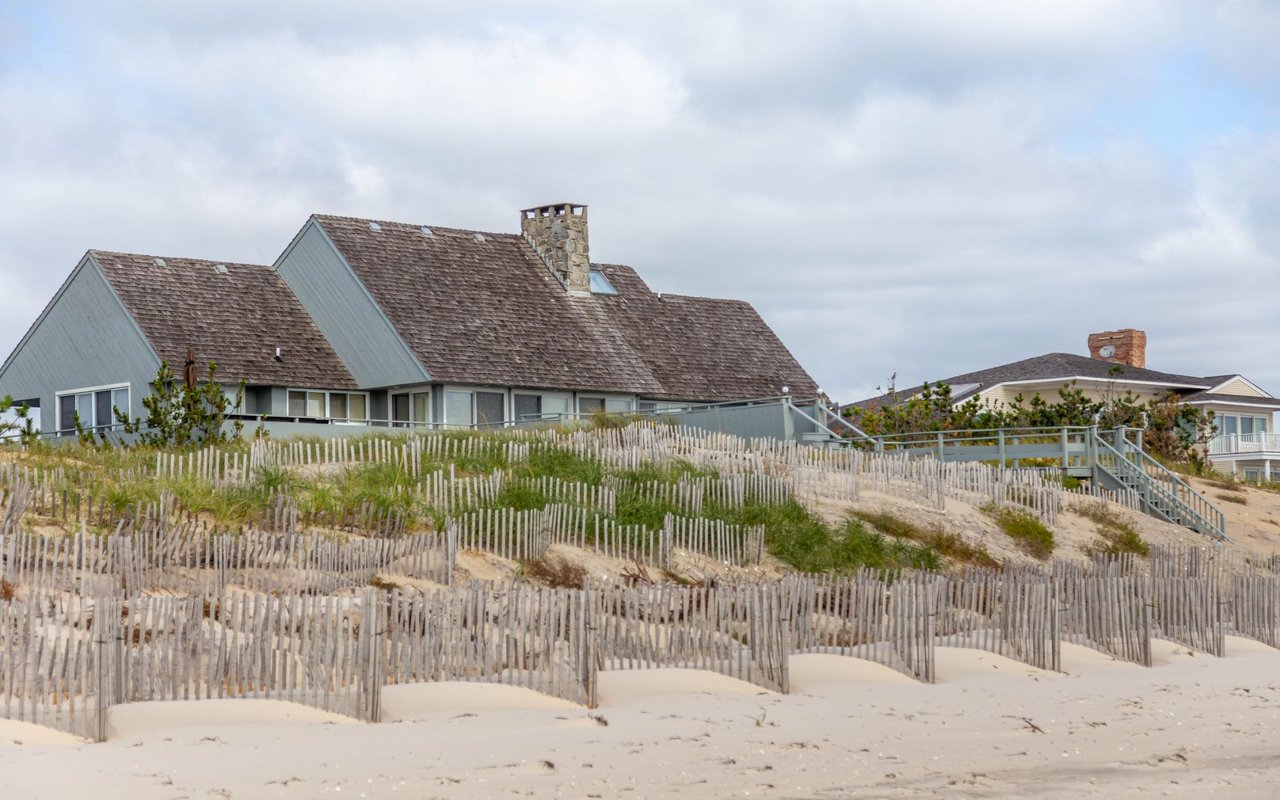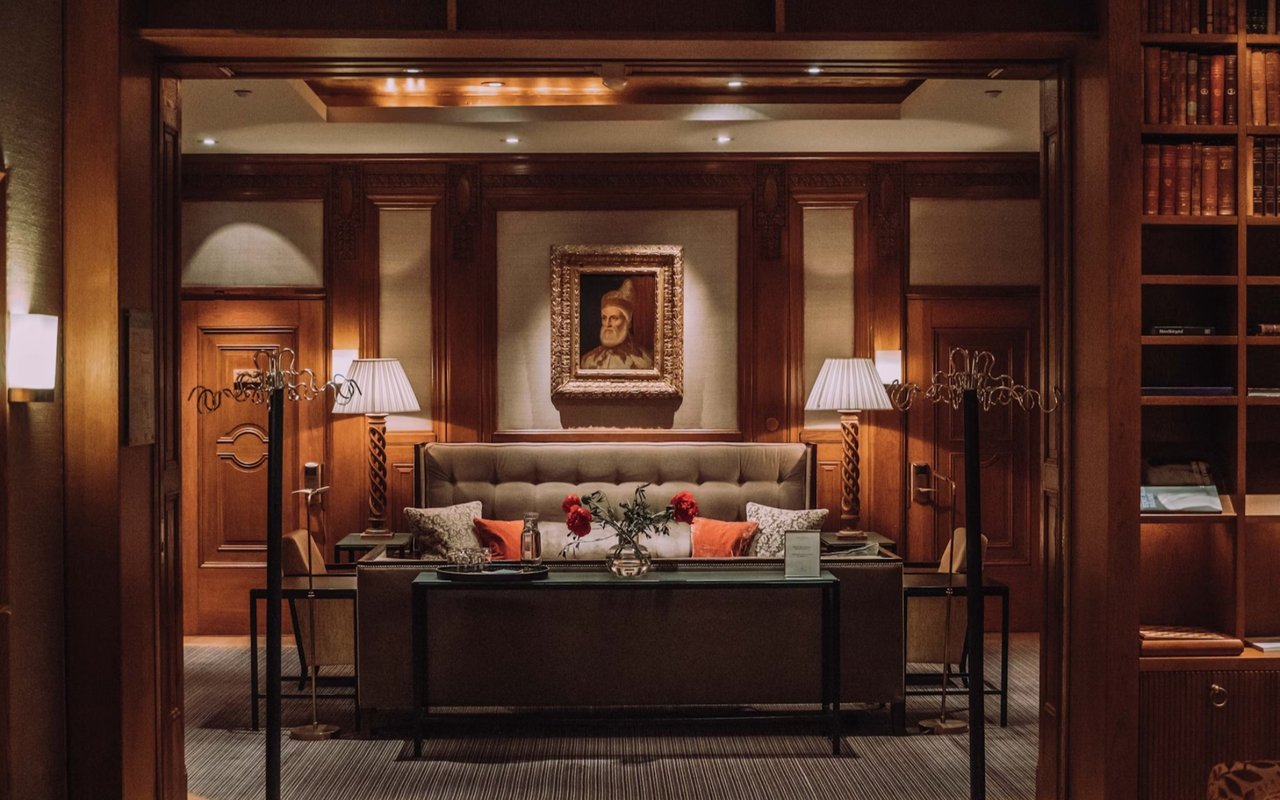
As 2025 comes to a close, luxury real estate markets across the country—including the waterfront communities of Morehead City, NC—have seen an evolution in what homeowners expect from high-end design. Today’s luxury buyers are no longer satisfied with just space or finishes. Instead, they are prioritizing comfort, sustainability, coastal functionality, and personal expression. Reflecting on the past year, the most notable luxury home design trends of 2025 reveal a shift toward curated, lifestyle-driven spaces that blend form with purpose.
In coastal regions like Morehead City, the best luxury homes built or renovated this year have embraced architecture and interiors that honor both environment and experience. From smart coastal materials to wellness-focused layouts and seamless indoor-outdoor living, the top design trends of 2025 have redefined what it means to live well—by the water and beyond. As we look ahead to 2026, these trends are poised to continue influencing the luxury real estate market in Carteret County and along the Crystal Coast.
Natural Materials and Coastal Textures
One of the most defining luxury home design trends of 2025 was the return to natural materials. In place of glossy, high-maintenance finishes, homeowners opted for lime-washed walls, rift-cut white oak cabinetry, tumbled stone tile, and unlacquered brass accents. In Morehead City, where salt air and humidity are factors, natural textures have become as functional as they are beautiful.
High-end homes along Bogue Sound and Atlantic Beach leaned into this aesthetic, using sustainably sourced woods, coastal limestone, woven seagrass, and hand-troweled plaster to create serene interiors that feel rooted in nature. These elements not only complement the coastal setting but also align with the broader movement toward environmentally conscious living.
Expect 2026 to continue this momentum. Design will increasingly celebrate texture over gloss, simplicity over ornamentation, and materials that age gracefully over time—particularly those that respond well to coastal climates.
High-end homes along Bogue Sound and Atlantic Beach leaned into this aesthetic, using sustainably sourced woods, coastal limestone, woven seagrass, and hand-troweled plaster to create serene interiors that feel rooted in nature. These elements not only complement the coastal setting but also align with the broader movement toward environmentally conscious living.
Expect 2026 to continue this momentum. Design will increasingly celebrate texture over gloss, simplicity over ornamentation, and materials that age gracefully over time—particularly those that respond well to coastal climates.
Indoor-Outdoor Living Reimagined
With Morehead City’s mild climate and access to waterfront views, indoor-outdoor living has always been a sought-after feature. But in 2025, this element was taken to a new level in luxury home design. Instead of traditional screened porches or sliding doors, homes this year featured full wall systems that disappear, extending living spaces directly onto covered lanais, pool terraces, or firepit lounges.
This year’s standout luxury homes incorporated all-season outdoor kitchens with built-in grills, beverage centers, and even pizza ovens. Many were designed with retractable awnings, ceiling fans, and infrared heaters, allowing for comfortable use nearly year-round. Outdoor showers, garden nooks, and waterfront yoga platforms also became signature features, emphasizing a desire to bring wellness outdoors.
Looking forward to 2026, the integration between inside and outside spaces will likely become more seamless and intentional. Expect to see more biophilic design strategies—such as natural light tunnels, indoor planters, and green roofs—making their way into coastal architecture.
This year’s standout luxury homes incorporated all-season outdoor kitchens with built-in grills, beverage centers, and even pizza ovens. Many were designed with retractable awnings, ceiling fans, and infrared heaters, allowing for comfortable use nearly year-round. Outdoor showers, garden nooks, and waterfront yoga platforms also became signature features, emphasizing a desire to bring wellness outdoors.
Looking forward to 2026, the integration between inside and outside spaces will likely become more seamless and intentional. Expect to see more biophilic design strategies—such as natural light tunnels, indoor planters, and green roofs—making their way into coastal architecture.
Wellness-Driven Design
One of the most meaningful shifts in 2025 was the emphasis on wellness in luxury home design. While spa-like bathrooms and home gyms have long been staples of high-end homes, this year saw a deeper and more holistic approach. Homeowners began designing entire zones of the house around health, recovery, and emotional well-being.
In Morehead City, newly built homes and large-scale renovations included features like infrared saunas, cold plunge tubs, meditation rooms, and even salt therapy walls. Primary suites evolved into private wellness sanctuaries with steam showers, aromatherapy systems, and quiet zones for reading or yoga.
Even air and water quality became focal points, with advanced purification systems, whole-house dehumidifiers, and smart lighting that adjusts to circadian rhythms. For coastal homeowners concerned about mold and moisture, these investments offered peace of mind and daily comfort.
As we approach 2026, wellness design is expected to expand even further—moving from luxury into necessity, particularly in primary residences and second homes designed for long-term use.
In Morehead City, newly built homes and large-scale renovations included features like infrared saunas, cold plunge tubs, meditation rooms, and even salt therapy walls. Primary suites evolved into private wellness sanctuaries with steam showers, aromatherapy systems, and quiet zones for reading or yoga.
Even air and water quality became focal points, with advanced purification systems, whole-house dehumidifiers, and smart lighting that adjusts to circadian rhythms. For coastal homeowners concerned about mold and moisture, these investments offered peace of mind and daily comfort.
As we approach 2026, wellness design is expected to expand even further—moving from luxury into necessity, particularly in primary residences and second homes designed for long-term use.
Smart Technology With a Discreet Touch
While smart home features have been present in luxury properties for years, 2025 saw a refinement in how technology is integrated. Rather than flashy screens or visible control centers, this year’s trend favored subtlety and automation.
Morehead City homeowners embraced systems that could control lighting, shades, climate, and security with minimal visual impact. Many high-end homes featured smart glass, hidden speakers, and ambient lighting that adjusted automatically throughout the day. Even appliances followed suit—luxury kitchens saw induction cooktops that blended into countertops and smart refrigerators that synced with inventory apps.
Voice-activated features, personalized climate zones, and security systems with remote access have become standard expectations in the luxury segment. In 2026, this trend is likely to grow, with AI-assisted home management and predictive maintenance tools becoming more mainstream in high-end properties.
Morehead City homeowners embraced systems that could control lighting, shades, climate, and security with minimal visual impact. Many high-end homes featured smart glass, hidden speakers, and ambient lighting that adjusted automatically throughout the day. Even appliances followed suit—luxury kitchens saw induction cooktops that blended into countertops and smart refrigerators that synced with inventory apps.
Voice-activated features, personalized climate zones, and security systems with remote access have become standard expectations in the luxury segment. In 2026, this trend is likely to grow, with AI-assisted home management and predictive maintenance tools becoming more mainstream in high-end properties.
Personalized Spaces and Statement Design
2025 marked a significant departure from “copy-and-paste” luxury interiors. Buyers and homeowners sought homes that felt personal, curated, and expressive. Instead of matching finishes or mass-produced decor, top-tier designs featured handcrafted elements, bespoke millwork, and one-of-a-kind art.
In Morehead City, this trend was evident in homes that blended modern coastal architecture with individual flair. Think reading lofts tucked under staircase landings, moody powder rooms with hand-painted murals, or bar lounges with custom cabinetry made from reclaimed boat wood. These personalized details not only added emotional value but also distinguished homes in a competitive market.
Heading into 2026, individuality will remain a defining theme. Homeowners will seek design that reflects their story, values, and lifestyle—with luxury measured not only by square footage or materials but by uniqueness and intention.
In Morehead City, this trend was evident in homes that blended modern coastal architecture with individual flair. Think reading lofts tucked under staircase landings, moody powder rooms with hand-painted murals, or bar lounges with custom cabinetry made from reclaimed boat wood. These personalized details not only added emotional value but also distinguished homes in a competitive market.
Heading into 2026, individuality will remain a defining theme. Homeowners will seek design that reflects their story, values, and lifestyle—with luxury measured not only by square footage or materials but by uniqueness and intention.
Sustainability and Climate-Responsive Design
As environmental awareness continues to grow, 2025 saw a notable increase in sustainable design within the luxury housing market. In coastal areas like Morehead City, where climate resilience is a practical concern, this trend has been especially relevant.
Luxury homes were designed with impact-rated windows, energy-efficient HVAC systems, solar panels, and rainwater harvesting infrastructure. Materials like recycled glass countertops, reclaimed hardwood, and non-toxic paints were used not just for their eco-credentials, but because they supported a healthier indoor environment.
Landscaping, too, followed suit. Native and drought-resistant plants, permeable pavers, and erosion-control techniques became part of the design process from day one.
Looking into 2026, climate-responsive design will likely become non-negotiable in high-end coastal construction. Buyers will expect homes that are not only beautiful, but smart, efficient, and built to last in a changing climate.
Luxury homes were designed with impact-rated windows, energy-efficient HVAC systems, solar panels, and rainwater harvesting infrastructure. Materials like recycled glass countertops, reclaimed hardwood, and non-toxic paints were used not just for their eco-credentials, but because they supported a healthier indoor environment.
Landscaping, too, followed suit. Native and drought-resistant plants, permeable pavers, and erosion-control techniques became part of the design process from day one.
Looking into 2026, climate-responsive design will likely become non-negotiable in high-end coastal construction. Buyers will expect homes that are not only beautiful, but smart, efficient, and built to last in a changing climate.
Reflecting on the Year, Preparing for What’s Next
As we close out 2025, it’s clear that luxury home design trends are moving toward meaningful, intentional living. Whether it’s through personal touches, wellness spaces, or resilient materials, homeowners are no longer satisfied with surface-level style. They want homes that support the way they live, reflect who they are, and connect with their surroundings—especially in communities like Morehead City where lifestyle and location are so closely intertwined.
From natural material palettes to wellness-inspired layouts and tech that works quietly in the background, this year’s trends have reshaped what buyers value most in a luxury property. And as 2026 approaches, these trends aren’t fading—they’re becoming foundational.
From natural material palettes to wellness-inspired layouts and tech that works quietly in the background, this year’s trends have reshaped what buyers value most in a luxury property. And as 2026 approaches, these trends aren’t fading—they’re becoming foundational.
Explore Luxury Home Design Trends With Linda Rike
Understanding the latest luxury home design trends is essential whether you're buying, selling, or building along North Carolina’s Crystal Coast. Homes that reflect today’s preferences will continue to outperform, both in daily living and in long-term value.
Contact Linda Rike today for expert guidance on how to align your property with 2025’s design trends—or to prepare your home for what buyers will want in 2026. With deep knowledge of Morehead City’s luxury market and a reputation for exceptional service, Linda Rike provides insight and support tailored to high-end coastal living.
Contact Linda Rike today for expert guidance on how to align your property with 2025’s design trends—or to prepare your home for what buyers will want in 2026. With deep knowledge of Morehead City’s luxury market and a reputation for exceptional service, Linda Rike provides insight and support tailored to high-end coastal living.