If you picture waterfront living as something reserved for weekends or special occasions, Beaufort may surprise you. In this part of Carteret County, the water is woven into daily routines, from morning walks along Taylor’s Creek to practical kayak access and downtown errands near the harbor. If you are thinking about buying near the water, this guide will help you understand what everyday waterfront living in Beaufort really looks like, including the lifestyle, the housing mix, and the practical details that matter. Let’s dive in.
Beaufort’s waterfront feels lived-in
Beaufort’s waterfront life centers on the Front Street and Taylor’s Creek edge of downtown. The town describes this corridor as the key connection between the Front Street business area and Beaufort Harbor, which helps explain why the area feels active and integrated instead of separate from the rest of town.
That mix matters if you want a waterfront setting that supports real daily life. In the same general area, you will find downtown dockage, shops, the NC Maritime Museum, and waterfront dining, all tied into a compact, walkable core.
Walkability shapes daily routine
One reason Beaufort stands out is how easy it is to enjoy the waterfront without making a big production out of it. The town maintains sidewalks, bike and pedestrian paths, parks, public restrooms, and the boardwalk, which makes the area practical for regular use.
John Newton Park and Grayden Paul Park sit directly on or beside the waterfront. That means the water is not just something you drive to see. It is part of the public space where people walk, gather, and move through town.
Parks are part of waterfront life
John Newton Park sits along the boardwalk and hosts community events like the Rock the Docks Concert Series and Santa’s workshop. That tells you something important about Beaufort. The waterfront is not only scenic, it functions as shared everyday space.
Grayden Paul Park is especially useful if you want hands-on access to the water. It serves as the primary dinghy dock for boats anchored in Taylor’s Creek and also includes a walk-in small-vessel launch, kayak storage, a bike rack, and a bicycle repair station.
You do not need a large boat
A common question from buyers is whether waterfront living here only works if you own a big boat or private dock. In Beaufort, the answer is no. Public access points and town-supported facilities make the water more usable for a range of lifestyles.
If you enjoy paddling, smaller boats, or simply being near boating activity, you can still feel connected to the waterfront. From downtown, you can kayak Taylor’s Creek toward the Rachel Carson Reserve, and the broader boating culture is visible in how the town manages anchoring, mooring, and docking.
Boating is part of the town’s rhythm
Beaufort’s navigable-waters ordinance covers everyday issues like anchoring, mooring, and docking. Boats may anchor for up to 10 days in a 30-day period, and abandoned or derelict vessels are prohibited, which helps the harbor function more smoothly.
The town also offers a small-vessel and kayak storage lottery for residents. That is a strong sign that waterfront access here is not limited to private ownership on the shoreline. It is built into how the town supports residents using the water.
Marina living connects to downtown
In the marina district, Beaufort Town Docks transitioned to F3 Marina on January 1, 2026. Current marina amenities include dockside fuel, showers, laundry, courtesy-car access, and walking access to downtown dining and shops.
For buyers, that overlap is meaningful. In Beaufort, the marina is not tucked away from daily life. It sits within the same environment as downtown businesses, parks, and public waterfront space.
The waterfront has history and character
Beaufort’s waterfront is not a blank slate. The town says its 1713 plan still survives in a 12-block area listed on the National Register of Historic Places, and that history continues to shape what living here feels like.
The harbor has long served as a safe haven for sailors, and town design materials note Beaufort’s earlier working waterfront history, including a fishing fleet that once included more than a hundred vessels. Over time, former fish house areas gave way to seafood restaurants, creating the layered waterfront setting people know today.
Homes are varied, not cookie-cutter
If you are looking for a resort-style strip of matching homes, Beaufort is not that. The local housing pattern is more layered and more rooted in history.
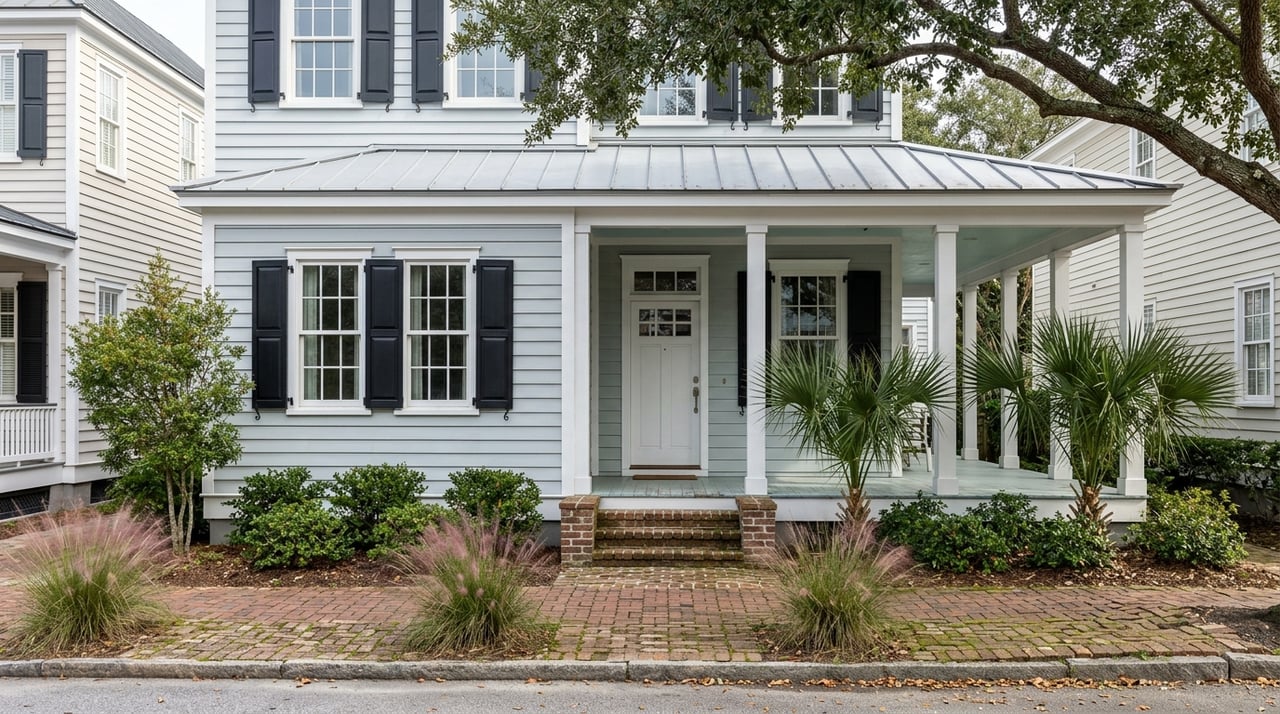
The town is known for coastal cottages and Beaufort-style houses, often with raised foundations or piers and broad porches. You will also see Queen Anne, Colonial Revival, Craftsman, Bungalow, and American Foursquare influences, along with older commercial buildings along Front Street.
That architectural mix gives the waterfront district a more established neighborhood feel. It can appeal to buyers who want character, walkability, and a sense of place rather than a newer master-planned look.
Some condo settings exist too
Single-family homes may be the image many buyers picture first, but that is not the only option. Beaufort also includes some waterfront condominium settings.
The town’s Derwood’s Landing park information notes that the site extends to a private boardwalk around a condominium community. So if you want lower-maintenance waterfront living, condo-style options are part of the local mix, even if they are not the dominant visual identity of the historic core.
Historic rules can affect ownership
In Beaufort’s historic district, preservation is part of the ownership experience. The Historic Preservation Commission regulates exterior changes to buildings, streetscapes, landscaping, waterfront areas, and signs within the district.
That means a home’s location matters just as much as its water view. If you are considering updates, additions, or exterior changes, it is important to understand that local review may be required.
Waterfront changes may face review
Historic preservation rules can extend beyond the house itself. The town states that exterior changes, waterfront-area alterations, new construction, relocations, demolitions, and signs may all fall under review.
Design guidance also specifically addresses docks, piers, and boardwalks. For buyers, that does not mean waterfront ownership is too complicated. It means the due diligence should match the property.
Flooding and storms are real planning factors
The beauty of coastal living comes with responsibilities, and Beaufort is no exception. The town lies within the White Oak River Basin and includes three main watersheds: Town Creek, Taylor Creek, and Davis Bay, which receive much of the area’s stormwater runoff.
Carteret County also identifies storm surge from hurricanes, tropical storms, and nor’easters as the county’s dominant source of flooding. For anyone buying near the water, flood awareness is not optional. It is part of smart coastal ownership.
Ask practical questions early
When you are evaluating a Beaufort waterfront property, it helps to think beyond the view. You will want to ask about flood risk, insurance considerations, elevation details when relevant, and storm preparation expectations.
Carteret County maintains flood information services and elevation certificates for qualifying construction, and the town also provides hurricane-preparedness guidance for boat owners. Those local resources reinforce the same point: coastal ownership works best when you go in with clear eyes and a solid plan.
Parking and mobility matter downtown
Beaufort’s waterfront core is walkable, but it is not car-free. The town actively manages parking in the Waterfront Business District to support turnover, especially during busier months.
For 2026, seasonal paid parking runs from May 1 through October 1, and time limits vary by block. Bus parking is also restricted from residential streets and downtown lots, which shows how carefully space is managed in the central area.
If you are considering a home or condo near the waterfront, everyday convenience should be part of your decision. Walkability is a major plus, but parking patterns and seasonal changes can influence how the area feels at different times of year.
Is Beaufort waterfront living right for you?
Beaufort works well for buyers who want a waterfront lifestyle that feels connected to town life. You can enjoy harbor views, public water access, boating culture, parks, and historic streetscapes without giving up the convenience of a compact downtown setting.
At the same time, this is not a carefree fantasy version of coastal ownership. Flood planning, parking realities, storm awareness, and possible historic review are all part of the picture. For many buyers, that balance is exactly what makes Beaufort appealing. It is beautiful, but it is also real.
If you are trying to decide whether Beaufort fits your goals, local insight matters. The right home here depends on how you want to use the water, how much maintenance you want, and how comfortable you are with the practical side of owning in a historic coastal town. When you are ready to explore Beaufort waterfront opportunities with clear, experienced guidance, reach out to Linda Rike Real Estate.
FAQs
Can you enjoy Beaufort waterfront living without owning a large boat?
- Yes. Beaufort offers public boardwalk access, waterfront parks, dinghy dock access, a walk-in small-vessel launch, kayak storage, and a marina district connected to downtown.
Does Beaufort’s waterfront feel more like a neighborhood or a visitor area?
- It functions as both. Town materials describe a mix of commercial, marina, park, recreational, and residential uses in the central waterfront area.
Do historic district rules affect Beaufort waterfront homes?
- Yes. In the historic district, the Historic Preservation Commission reviews many exterior changes, including some waterfront-area alterations and certain work involving docks, piers, and boardwalks.
Is flooding a serious factor for Beaufort waterfront property?
- Yes. The town’s stormwater context and Carteret County flood information show that flood risk and storm surge are important planning factors for waterfront ownership.
What types of homes are common near Beaufort’s waterfront?
- The local pattern includes historic single-family homes, coastal cottages, Beaufort-style houses, and some waterfront condominium settings.