By Linda Rike Real Estate
In our fast-paced world, quality sleep has become one of the most valued luxuries, and your home plays a bigger role in it than you might realize. From lighting and color to air quality and layout, thoughtful design choices can transform your bedroom into a genuine sanctuary for rest. Here on the Crystal Coast, where the coastal environment naturally lends itself to relaxation, creating a restful home is especially rewarding. Here's how to design a home that encourages restful sleep.
Key Takeaways
- Calming colors and soft, layered lighting help signal your body to unwind
- Natural textures and reduced clutter create a soothing, restful environment
- Managing light, sound, and air quality is essential for quality sleep
- The bedroom's design should prioritize rest above all else
Choose Calming Colors
Color has a powerful effect on the mind, and the right palette can make a bedroom feel instantly more restful. In 2026, sleep-friendly design embraces soft, grounding tones that soothe rather than stimulate.
Restful Color Choices
What works best for sleep:
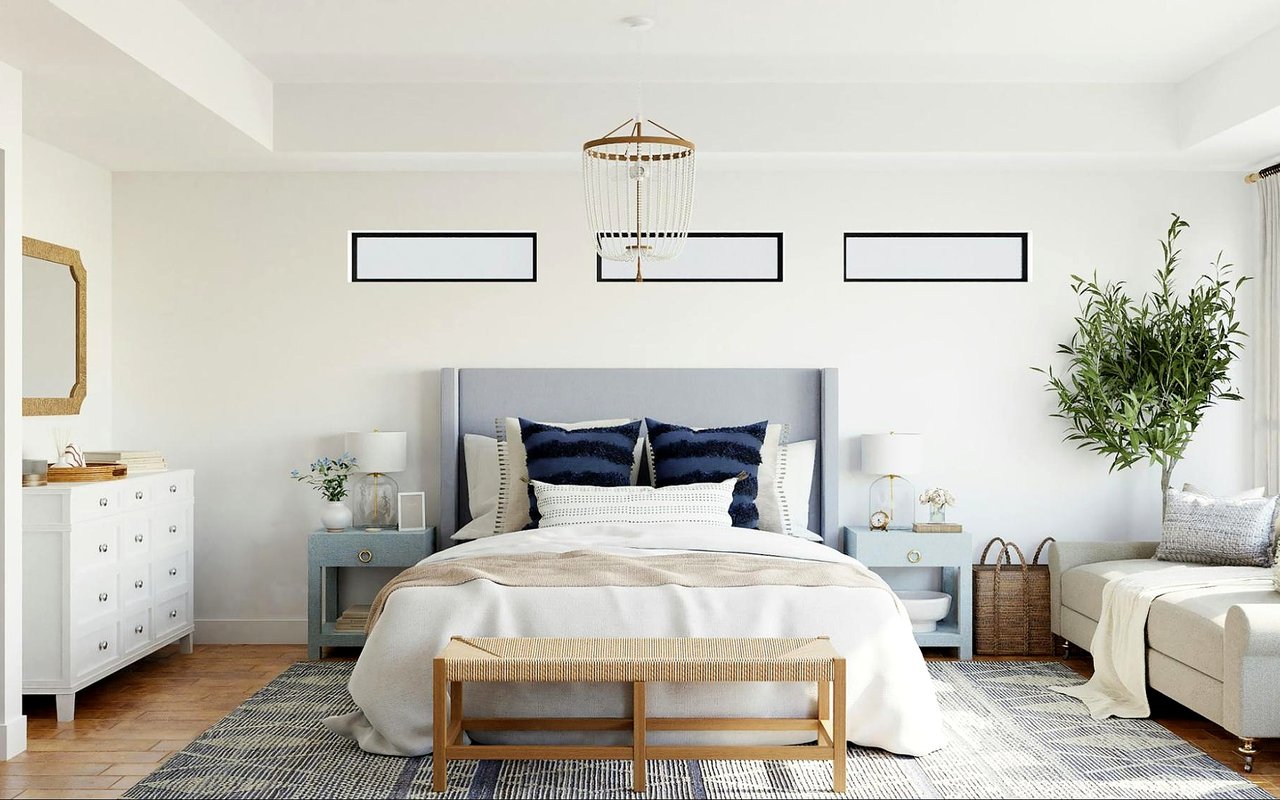
- Soft, muted tones — gentle blues, dusty lavenders, sage greens, and warm neutrals like clay, sand, and taupe are calming and easy on the eyes
- Earth tones — nature-inspired shades create a sense of stability and coziness
- Low-contrast schemes — cohesive, grounded color palettes feel more restful than bold, high-contrast combinations
- Coastal-inspired hues — soft, watery blues and sandy neutrals feel especially at home in our coastal setting
Prioritize Soft, Layered Lighting
Lighting is one of the most overlooked aspects of sleep-friendly design, yet it's one of the most important. Harsh overhead light works against your body's natural rhythms, while soft, warm lighting helps you wind down.
Lighting for Better Sleep
How to get it right:
- Warm-toned lighting — soft, golden light mimics the natural transition to evening and signals your body to slow down
- Layered sources — dimmable wall sconces, bedside lamps, and gentle ambient lighting replace harsh overhead fixtures
- Blackout window treatments — essential for blocking early coastal sunlight and streetlights for deeper rest
- Reduced screen light — minimizing blue light in the evening supports your natural sleep cycle
Embrace Natural Textures and Simplicity
The most restful bedrooms feel calm and uncluttered, with a focus on comfort and sensory ease. This is where texture and simplicity come together beautifully.
Creating a Soothing Space
What to incorporate:
- Natural, breathable fabrics — linen sheets, soft wool or cotton blankets, and quality bedding invite rest
- Layered textures — tactile elements add warmth and richness without visual clutter
- A clutter-free space — a tidy, minimalist layout helps quiet the mind and reduce hidden stress
- Quality bedding and mattress — the foundation of good sleep, worth investing in for genuine comfort
Manage Sound, Air, and Layout
Beyond what you see, the things you can't see play a huge role in how well you sleep. Creating a truly restful bedroom means addressing sound, air quality, and the overall layout of the space. Position your bed away from noise sources where possible, and consider soft furnishings that help absorb sound. Fresh, clean air matters enormously, so good ventilation and perhaps a few air-purifying plants can make a real difference, especially in our humid coastal climate. Finally, arrange the room so it feels calm and protected, with the bed as the clear focal point and a sense of order throughout. When what you see, what you breathe, and the room's layout all work together, your bedroom becomes a space that actively supports rest.
FAQs
What is the best color for a restful bedroom?
Soft, muted tones tend to be most restful, including gentle blues, sage greens, dusty lavenders, and warm neutrals like clay, sand, and taupe. These nature-inspired, low-contrast colors are easy on the eyes and help calm the mind. Bright, bold colors and high-contrast schemes tend to feel more stimulating and less conducive to sleep.
How does lighting affect sleep?
Lighting has a major impact on your body's natural sleep rhythms. Harsh, cool overhead lighting can keep you alert, while soft, warm-toned lighting mimics the natural transition to evening and helps signal your body to wind down. Layered lighting with dimmers, along with blackout window treatments to block outside light, creates an environment that supports deeper, more restful sleep.
Can my home's design really improve my sleep quality?
Absolutely. Thoughtful design choices, from calming colors and soft lighting to natural textures, good air quality, and a clutter-free layout, all work together to create an environment that supports rest. While a quality mattress and bedding are the foundation, the overall design of your bedroom genuinely influences how easily you unwind and how well you sleep.
Looking for Your Dream Home on the Crystal Coast?
A home that supports rest and relaxation is one of life's true luxuries, and it's something we understand well here in our coastal community. Whether you're creating a peaceful retreat in your current home or searching for the perfect coastal property, we'd love to help. With 40 years of experience in the Morehead City area, we know how to find a home that fits the life you want to live.
Reach out to us at Linda Rike Real Estate, and let's find your coastal sanctuary.
Reach out to us at Linda Rike Real Estate, and let's find your coastal sanctuary.