If you picture every coastal town as a beach-resort strip, Harkers Island may surprise you. This is a place where daily life feels tied to the water in a more practical, grounded way, and that matters if you are thinking about buying, selling, or simply getting to know the area. In this guide, you will get a clear look at what makes Harkers Island distinct, from ferry access and boating culture to seasonality and housing character. Let’s dive in.
What Makes Harkers Island Different
Harkers Island is best understood as a gateway to protected coastal experiences rather than a typical resort destination. It is one of the main access points for Cape Lookout National Seashore, with the Harkers Island Visitor Center reachable by road and serving as one of the seashore’s ferry gateways.
From here, passenger ferries travel to Cape Lookout Lighthouse and the east end of Shackleford Banks. That gives the island a day-trip rhythm built around boat rides, shelling, sightseeing, and time on undeveloped shoreline instead of boardwalk crowds or dense commercial activity.
Cape Lookout National Seashore spans 56 miles of undeveloped beach across barrier islands. Shackleford Banks, which is only accessible by boat, is known for shelling, swimming, sunbathing, wildlife viewing, and wild horses.
Life Centers on Water Access
On Harkers Island, the water is not just scenery. It shapes how people spend weekends, how visitors explore, and how many homeowners think about daily life.
The Harkers Island Visitor Center includes a ferry ticket booth, parking, exhibits, and a kayak launch area. It also connects to nearby outdoor access that makes the island feel active even when you stay on the mainland side.
For paddlers, the Harkers Island launch area is a natural kayak launch site. The National Park Service notes that under good conditions, even novice paddlers can cross Core Sound and Back Sound, which adds to the island’s appeal for people who want direct access to the outdoors.
Trails and Outdoor Stops
Harkers Island also has the only marked trails in Cape Lookout National Seashore. Those are the Soundside Loop Trail and Willow Pond Trail, both located on Harkers Island.
That may sound like a small detail, but it reinforces the island’s identity. You are not just near the water here. You are close to ferry access, paddling, shoreline views, and simple outdoor stops that fit easily into everyday life.
Core Sound Culture Runs Deep
Harkers Island has a strong working-waterfront identity, and that is a big part of its appeal. Boating here is more than recreation. It is part of the island’s history, local economy, and community memory.
NCpedia describes Harkers Island boats as the best-known traditional watercraft in coastal North Carolina. They are known for a high, wide flared bow built for choppy water, and backyard boatbuilding has long been the typical way they were made.
These boats were used for trawling, shrimping, dredging, and recreational fishing. That practical design history helps explain why the island still feels connected to the realities of life on the water.
Boatbuilding and Heritage
The North Carolina Arts Council notes that the boatbuilding tradition runs especially deep on Harkers Island. What started as subsistence work tied to Core Sound later became an economic engine for the community.
That history matters if you are drawn to places with a real local identity. Harkers Island does not feel shaped only by tourism. It feels shaped by generations of people who built, worked, and traveled by boat.
Museum and Community Traditions
The Core Sound Waterfowl Museum & Heritage Center helps preserve and share that heritage. Located next to the Cape Lookout visitor center, it highlights workboats, fishing, waterfowling, and community traditions through exhibits, demonstrations, and events.
The island also has a seasonal rhythm that goes beyond summer. The annual Core Sound Decoy Festival takes place the first full weekend in December, and the local guild also supports youth carving programs and summer reading activities.
What the Seasons Feel Like
If you are considering a full-time home, second home, or future retirement property, seasonality is part of the decision. Harkers Island follows a mild-winter, hot-summer coastal pattern, with nearby Beaufort Michael J. Smith Field climate normals showing January average highs of 54.9 degrees and lows of 37.5 degrees.
In summer, July averages 86.7 degrees for highs and 74.4 degrees for lows, while August averages 85.9 degrees and 73.1 degrees. In practical terms, you can expect warm, active summers and relatively mild winters compared with many inland or northern markets.
The island’s visitor cycle reflects that pattern. The Harkers Island Visitor Center operates with expanded hours from April 1 through December 1 and narrower winter hours, which mirrors the busier outdoor season.
Hurricane Season Is Part of Coastal Living
Coastal ownership also comes with planning responsibilities. NOAA states that Atlantic hurricane season runs from June 1 through November 30, with the most active stretch usually falling between August and October.
For owners on Harkers Island, storm prep is not an occasional topic. It is part of how you plan for the season, think about property readiness, and organize travel or second-home use.
Carteret County notes that evacuation orders often apply to property near waterways and other low-lying or flood-prone areas. The county lists U.S. 70, NC 101, and NC 58 as evacuation routes, which makes access planning an important part of life for both full-time and part-time owners.
Housing Style on Harkers Island
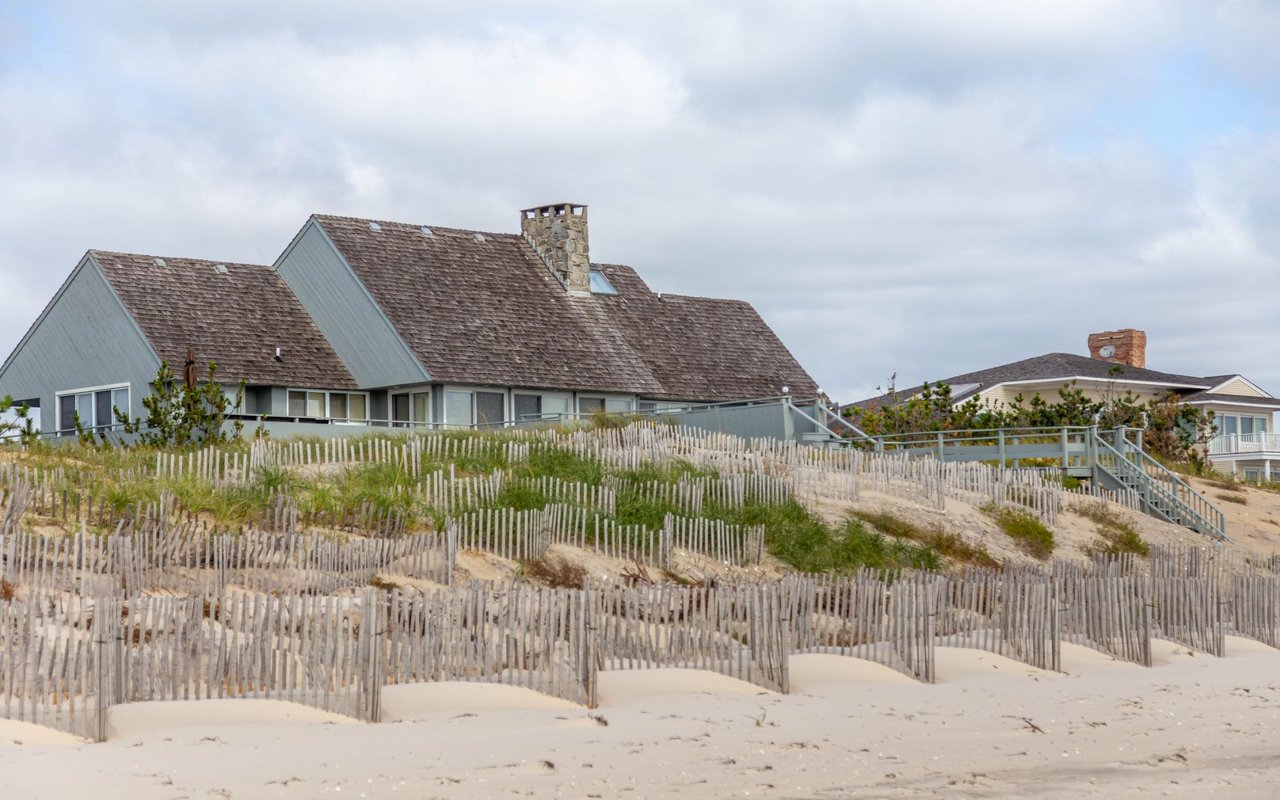
The housing story on Harkers Island is modest, coastal, and practical. This is not a market best described by resort-style imagery.
Carteret County’s architectural survey documents early 1900s banker houses on Harkers Island that are linked by tradition to Shackleford Banks. The survey also notes a standard front-gable Craftsman house on North Ferry Dock Road and points more broadly to older frame houses, 1930s cottages, and later modular dwellings across the county.
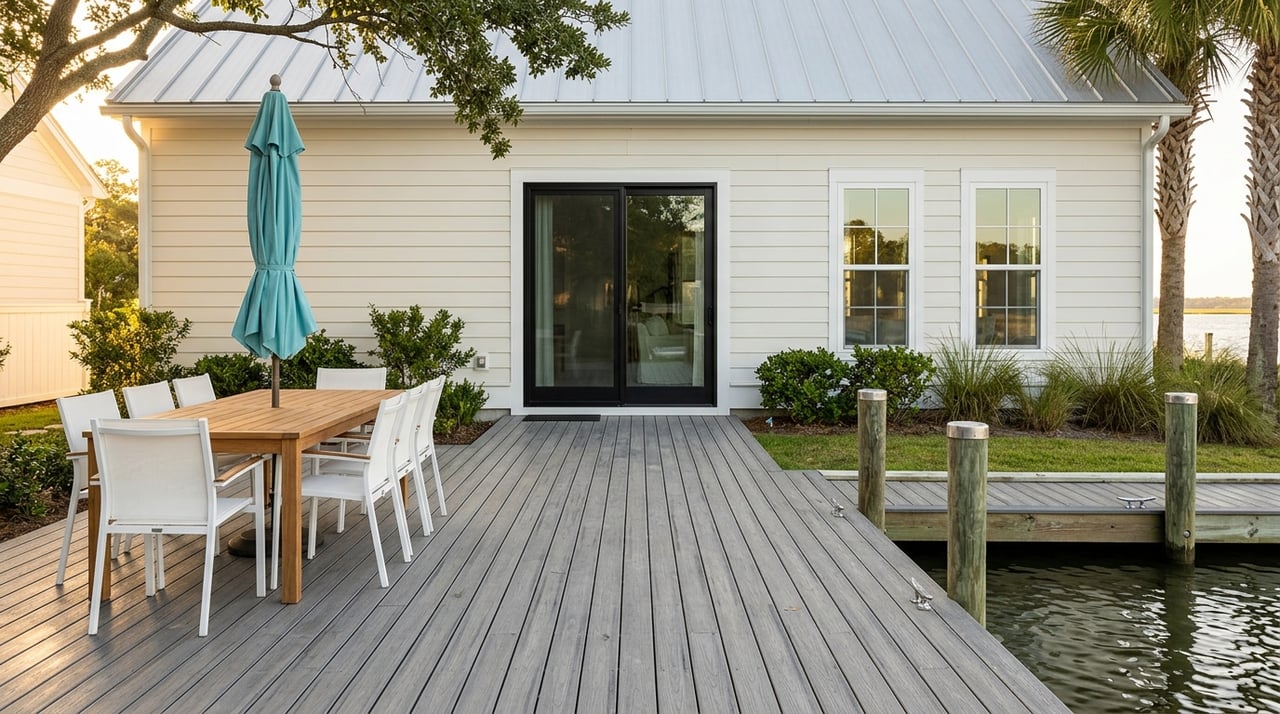
That supports a simple truth about the island’s housing character. Many properties fit a cottage-scale, water-oriented lifestyle focused on function, storage, boating access, guests, and weather readiness.
A Different Kind of Coastal Appeal
For buyers, that often means the appeal is more about fit than flash. You may be drawn to older practical homes, compact coastal layouts, or properties that support boating and outdoor use rather than large-scale resort amenities.
For sellers, that local character matters too. Marketing a Harkers Island property usually works best when it speaks to water access, island culture, and the lifestyle advantages that make this community different from busier beach markets.
Who Harkers Island May Suit Best
Harkers Island tends to make the most sense for people who want a quieter, more grounded version of coastal living. If you love the idea of ferry rides, boating, kayaking, heritage museums, and easy access to protected shoreline, the island offers a very specific kind of value.
It may also appeal to second-home buyers who want a place tied closely to the outdoors. Instead of chasing a resort atmosphere, you are choosing a community with a strong local identity and a close relationship to Core Sound and Cape Lookout.
That does not mean every buyer will see it as the right fit. If you want a highly built-up commercial beachfront environment, Harkers Island will likely feel very different from what you expect, and that difference is exactly why many people are drawn to it.
Why Local Guidance Matters Here
In a market like Harkers Island, real estate decisions are rarely just about square footage. You also need to think about access, seasonality, property setting, storm readiness, and how the home supports the way you want to use the coast.
That is where experienced local guidance makes a real difference. Whether you are looking for a full-time residence, a second home, or a property with long-term upside, it helps to work with a team that understands the nuances of Carteret County’s coastal communities.
If you are exploring Harkers Island or thinking about buying or selling along the Crystal Coast, Linda Rike Real Estate can help you make sense of the market with direct advice, local knowledge, and practical guidance.
FAQs
What is Harkers Island known for in Carteret County?
- Harkers Island is known as a gateway to Cape Lookout National Seashore, ferry access to Cape Lookout Lighthouse and Shackleford Banks, and a strong working-waterfront heritage tied to boating, fishing, and boatbuilding.
What outdoor activities can you enjoy on Harkers Island?
- Popular activities connected to Harkers Island include ferry trips, kayaking, wildlife viewing, shelling, swimming, trail walking, and visiting nearby protected coastal areas.
What makes Harkers Island different from other Crystal Coast areas?
- Harkers Island is less focused on resort-style beach tourism and more focused on water access, local heritage, protected island adventures, and a practical coastal lifestyle.
What is the housing style like on Harkers Island?
- The area is generally associated with modest coastal housing forms, including older frame homes, cottages, Craftsman-influenced houses, and later practical dwellings suited to water-oriented living.
What should homeowners know about weather on Harkers Island?
- Homeowners should expect hot summers, mild winters, and a hurricane season that runs from June 1 through November 30, with storm planning and evacuation awareness being important parts of coastal ownership.
Is Harkers Island a good fit for a second home?
- Harkers Island may suit second-home buyers who want quieter coastal living, boating access, ferry trips, and a strong sense of place rather than a high-activity resort setting.