Buying on Harkers Island can feel exciting and a little different from a typical coastal home search. This is not a one-size-fits-all market, and that matters if you want to avoid surprises after closing. If you are thinking about a full-time home, second home, or waterfront getaway here, it helps to understand how the island works before you write an offer. Let’s dive in.
Harkers Island Is a Distinct Coastal Market
Harkers Island has deep ties to fishing, boat building, and life on the water. Historic records show the island developed in a way that was shaped by working waterfront uses, including homes moved from barrier islands after the Hurricane of 1899 and a long history of local families connected to fishing.
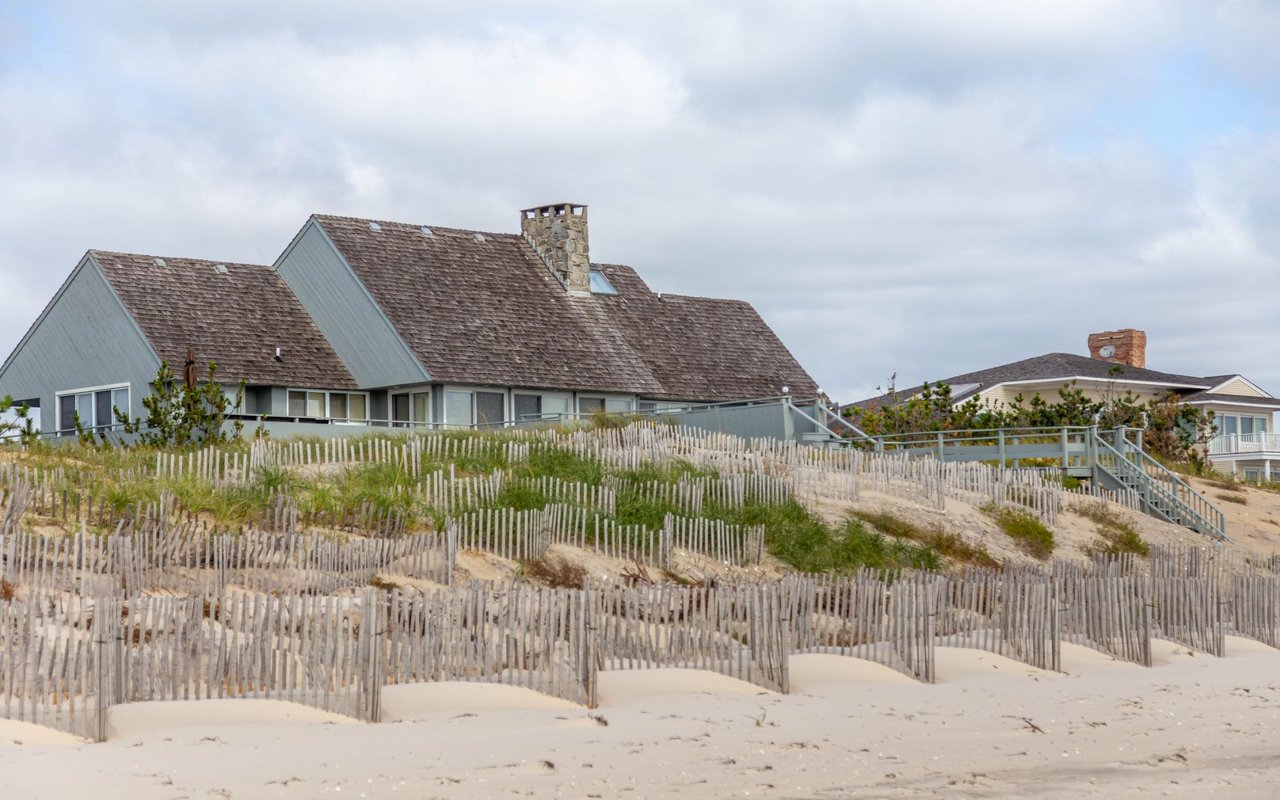
For you as a buyer, that means the housing stock may feel more varied than a typical planned coastal neighborhood. You may see older cottages, remodeled homes, practical waterfront properties, and houses that have changed over time through additions, repairs, or elevation work.
Why Property History Matters
On Harkers Island, a home's backstory matters. Some properties may have been moved, rebuilt, or expanded over the years, so it is smart to look closely at permit history, structural condition, and elevation details.
That is especially important if you are comparing two homes with similar square footage but very different maintenance profiles. On this island, each property can function differently based on its lot, exposure, and how the home has been updated.
Water Access Should Be Verified by Address
Water access is one of the biggest draws on Harkers Island, but you should not assume every property offers the same convenience. Drive time, launch options, marina services, and trailer logistics can vary a lot from one address to the next.
The island is one of the gateways to Cape Lookout National Seashore. The National Park Service says the Harkers Island Visitor Center is one of the park’s two ferry gateways, and the ferry ride from Harkers Island to Cape Lookout Lighthouse or the east end of Shackleford Banks takes about 30 minutes.
Public and Private Boating Options
If boating is part of your plan, confirm what kind of access you will actually use most often. The North Carolina Wildlife Resources Commission lists Straits Landing Boating Access Area at 1648 Harkers Island Road as a universally accessible site with a boat ramp and canoe access.
Private facilities also add options for boat owners. Harkers Island Fishing Center advertises a boat ramp, overnight slips, and dockside fuel, while Cape Pointe Marina lists monthly and annual slip rentals, a boat ramp, live bait, fuel and oil, boat repair, and RV storage.
Questions to Ask About Access
Before you buy, it helps to answer a few practical questions:
- How far is the nearest boat ramp from the property?
- Is there nearby marina access for slips, fuel, or repairs?
- Will you need space for trailer parking on site?
- How easy will guest boating access be?
- If you kayak, is the launch point suitable for how you plan to use it?
The National Park Service also notes that kayaks may launch from the natural launch area by the picnic area across from the visitor center, but not from the visitor center boat basin. There is also no paved ramp or dock at that launch point.
Flood Insurance Should Be Reviewed Early
One of the biggest mistakes coastal buyers make is waiting too long to price insurance. On Harkers Island, flood and wind coverage are not side notes. They are central parts of your ownership cost.
The North Carolina Department of Insurance says standard homeowners insurance does not cover flood damage. It also says flood insurance should be considered near the coast or in a floodplain, lenders may require it, and National Flood Insurance Program policies include a 30-day waiting period.
Wind and Hail Coverage May Be Separate
Coastal insurance can work differently than buyers expect. The North Carolina Department of Insurance says windstorm and hail coverage may be excluded from a primary homeowners policy in coastal areas and may instead be written separately through the North Carolina Insurance Underwriting Association.
That matters because a separate policy may also mean a separate deductible. If you are budgeting for monthly ownership costs, this is something to pin down before due diligence moves too far ahead.
New Flood Zone Rules Affect Some Properties
Carteret County adds another layer buyers need to know. Effective January 17, 2025, some unincorporated county areas are mapped into the new Coastal A flood zone.
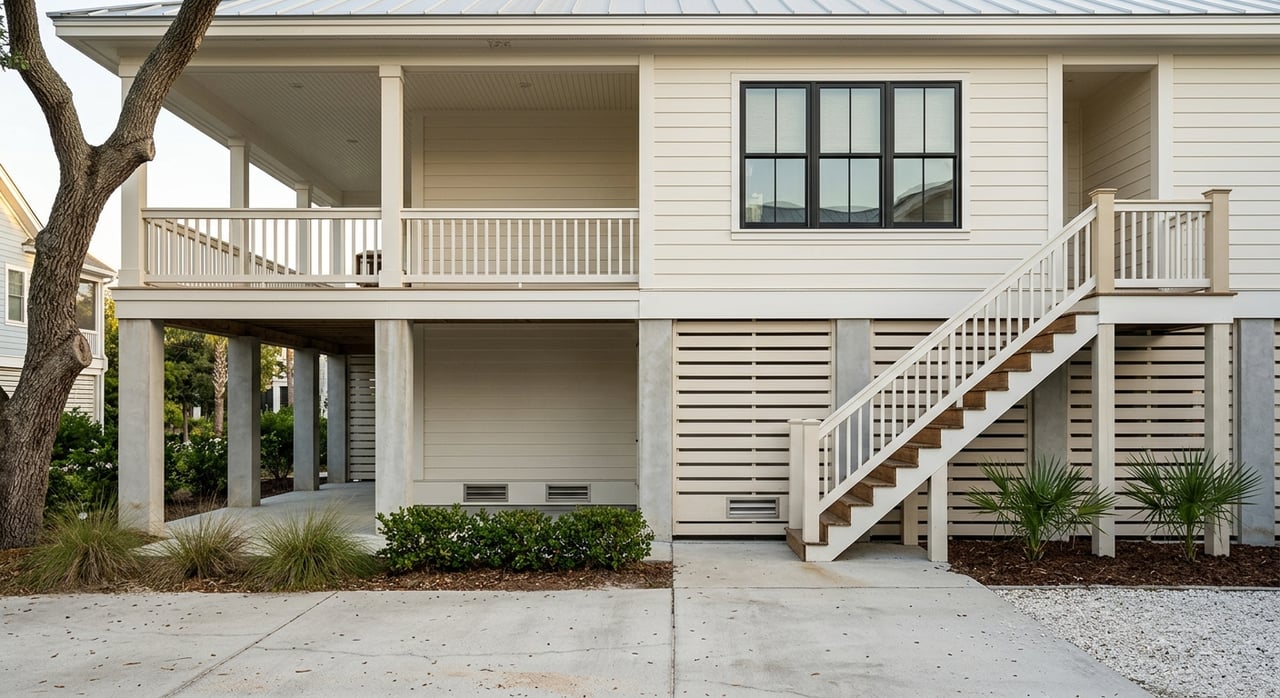
According to Carteret County, new construction or substantial improvement in these areas must meet V-zone-style standards, including piers, pilings, or columns, plus breakaway walls and flood venting below the effective base flood elevation. If a property is on your shortlist, verify the specific parcel through county GIS, NCFRIS, or FEMA mapping rather than making assumptions based on the surrounding area.
Renovation Plans Need a Reality Check
If you are buying with plans to renovate later, do not stop at the current appearance of the home. Ask what future work may trigger updated building and floodplain requirements.
On Harkers Island, a porch expansion, elevated foundation work, major repair, dock project, or other improvement may involve county review, flood rules, or coastal permitting. That does not mean your plans cannot work, but it does mean you should understand the process before closing.
Inspections Are Especially Important Here
A coastal purchase usually needs more than a quick visual check. North Carolina requires paid home inspections to be performed by a licensed home inspector, and that matters in a market where roofs, foundations, moisture intrusion, and marine exposure can affect value and future costs.
On Harkers Island, the inspection phase is where important differences often show up. Two homes may look similar online, but inspection findings can reveal very different repair needs and negotiation points.
Septic, Well, and Permit Questions
Carteret County Environmental Health handles permitting, inspection, and approval of onsite wastewater systems and private drinking water wells. If a home uses septic or a private well, those details should be part of your due diligence from the start.
The county notes that the existing-system authorization process may require a site plan, the original septic permit if available, and verification that the system has a valid operation permit before a connection or change of use is approved. If you plan to modify the property later, those records become even more important.
Building Permits and CAMA Considerations
Carteret County’s building-permit process may require wastewater authorization, CAMA permits if applicable, and a list of licensed contractors and subcontractors. Even with a complete application, county review can still take 3 to 5 business days.
Because Carteret County is subject to CAMA rules, shoreline and coastal development can involve added steps. If you are thinking about additions, bulkheads, porches, major repairs, or other site improvements, it is wise to ask permit questions before you close rather than after.
Your Due Diligence Team Matters
On Harkers Island, having the right local professionals can make the process smoother and more informed. A strong team may include:
- A licensed North Carolina home inspector
- A septic or well specialist familiar with Carteret County requirements
- A surveyor or civil professional for setbacks, flood elevations, and site plans
- An insurance agent who understands coastal flood and wind coverage
- A contractor familiar with local building, floodplain, and CAMA steps
This kind of planning helps you move from guesswork to clear decision-making. It can also help you avoid buying a property that looks good on day one but becomes complicated once you start using or improving it.
What Smart Buyers Focus On First
If you want to simplify your search, focus on the fundamentals early. On Harkers Island, those usually include:
- Flood designation
- Wind and flood insurance structure
- Water and boating access
- Septic and well status
- Permit history
- Whether future improvements are likely to need added approvals
Once those pieces are clear, it becomes much easier to compare homes based on lifestyle fit, maintenance risk, and long-term value.
Bottom Line for Harkers Island Buyers
Buying on Harkers Island is often less about finding a standard house and more about understanding how a specific property works. The island’s maritime history and coastal character are a big part of its appeal, but they also make due diligence more hands-on than in many inland markets.
That is where local guidance matters. When you have someone helping you look beyond photos and price into access, insurance, permits, and future use, you can make a more confident decision. If you are considering a home on Harkers Island, Linda Rike Real Estate can help you navigate the details with practical, local insight.
FAQs
What should buyers know about older homes on Harkers Island?
- Older homes on Harkers Island may have been moved, rebuilt, or expanded over time, so you should review permit history, elevation, and structural condition carefully.
Do buyers on Harkers Island need flood insurance?
- Standard homeowners insurance does not cover flood damage, and the North Carolina Department of Insurance says flood insurance should be considered near the coast or in a floodplain, with some lenders requiring it.
Can wind coverage be separate when buying on Harkers Island?
- Yes. In coastal North Carolina, windstorm and hail coverage may be excluded from the main homeowners policy and written separately, which can mean a separate deductible.
How do buyers verify boating access on Harkers Island?
- You should verify access by the exact property address and confirm drive time to nearby ramps, marinas, slips, and launch points rather than assuming all areas of the island offer the same convenience.
What permit issues matter when buying on Harkers Island?
- Buyers should ask about septic permits, well records, building permits, floodplain requirements, and whether future improvements may require CAMA or county approvals.
What changed with flood zones in Carteret County near Harkers Island?
- Carteret County says that effective January 17, 2025, some unincorporated areas are mapped into the new Coastal A flood zone, which can affect standards for new construction or substantial improvement.